
 Although an MA in Translation Studies can be a springboard to many avenues (such as a PhD), I was keen to pursue translation itself and make a healthy contribution to the industry. I am also nowhere near clever enough for a doctorate and my parents would be less than enamoured about me sponging off them for the next three years.
Therefore, although interested in securing a full time in-house translation position or internship, I read an advert about the SUFT (Setting Up as a Freelance Translator) course in the January/February ITI Bulletin. The course sounded particularly interesting and had positive reviews by previous students. I was after a realistic, “warts ‘n’ all” insight into what running a freelance translation business is like and it would also keep my options open. I duly applied on the closing day for applications (I like to live dangerously) and was kindly accepted. Being an ITI member, payment was £349, but £499 for non-members (excellent value at either fee as it turned out).
 After being made redundant in the summer of 2016 from a non-language-based role with the Home Office, I decided that I finally wanted to return to using my languages regularly, rather than merely on holiday or for the occasional rendition. Translation, in particular, had always held an attraction and not just involving Modern Languages, as my Latin A level testifies. Translation had seemed a dream job and more realistic than my other illusion of becoming a professional snooker player.
 The Careers in Translation and Interpreting Conference in May 2013 at Aston University in Birmingham organised by Routes into Languages inspired me to apply for the MA Translation Theory & Practice at UCL as part of a career change. The application process was straightforward: BA (Hon) results of at least 2:1, IELTS (Academic) result of at least 7.6 and a written personal statement.
 What made you choose London Met?
 Flexibility
 Today’s MA course review has been written by my fellow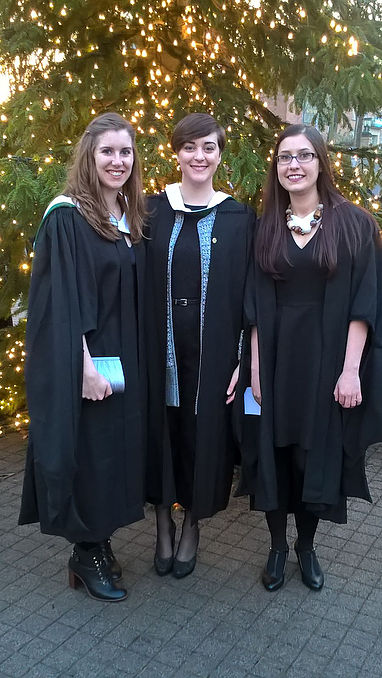
 This MA course review has been written by Alejandra J. Garcia Romero and edited by Deepti Limaye. For more information on MA courses and links to other reviews, see the
  Tranix Translation & Editing Services